
resources
Unveiling the Top 10 Smart Cities in the World: A 2025 Perspective
22 Jul 2025

Have you ever thought about what makes a city really “smart”? It’s more than just having cool tech or super-fast internet, even though those are certainly part of it. A truly smart city is all about making life better for its residents. It uses clever ideas to solve everyday issues and build a future that works for everyone. We’re going to check out some of the best examples around the globe, showing how cities are finding new ways to be more connected, run smoother, and be great places to live. This look into the top 10 smart city in the world will show you who’s really getting it right.
Key Takeaways
- Smart cities mix technology with what people actually need.
- New ideas in cities aim to make daily life better for everyone.
- Being connected and working well are common goals for these places.
- Lots of cities are finding fresh ways to be good places to live.
- The best smart cities focus on making sure residents are happy and healthy for the long run.
1. Zurich
Okay, so Zurich. I’ve never been, but from what I hear, it’s like the Switzerland of Switzerland – super organized, clean, and efficient. It’s not just about the fancy watches and chocolate; Zurich is making some serious moves in the smart city game. They’re focusing on sustainability and quality of life, which, let’s be honest, sounds pretty good. According to the Smart Cities Index 2024, Zurich is the world’s smartest city.
One thing that stands out is their public transportation. It’s not just extensive; it’s also reliable and integrated. You can hop on a tram, bus, or train and get pretty much anywhere without a car. And they’re constantly working on making it even better with things like electric buses and smart traffic management systems. It’s all about reducing congestion and emissions, which is a big win for everyone. According to a survey, Zurich residents prioritize affordable housing and traffic congestion.
They’re also big on renewable energy. You see solar panels popping up all over the place, and they’re investing in wind and hydropower too. The goal is to become a more sustainable city, and they’re making steady progress. It’s not just about the environment; it’s also about creating a more resilient and livable city for the future.
Zurich is also focusing on citizen engagement. They’re using technology to make it easier for people to participate in local government and have a say in what’s happening in their community. It’s all about creating a more inclusive and democratic city, where everyone has a voice.
Here are some key areas where Zurich shines:
- Smart Mobility: Integrated public transport, electric vehicle infrastructure, and traffic management systems.
- Sustainable Energy: Renewable energy sources, energy-efficient buildings, and smart grids.
- Citizen Engagement: Online platforms for participation, open data initiatives, and community projects.
It’s not perfect, of course. Like any city, Zurich faces challenges. But they’re tackling them head-on with innovative solutions and a commitment to creating a better future. It’s definitely a city to watch when it comes to urban innovation. Zurich is a city that is constantly evolving and adapting to the needs of its residents.
2. Oslo
Oslo, Norway, secures its place as the second smartest city in the world in 2025. It’s not just about fancy tech; it’s about how well the city integrates technology to improve the lives of its residents. Oslo has made significant strides in sustainability, citizen engagement, and efficient urban planning. The city’s commitment to renewable energy and reducing its carbon footprint is particularly noteworthy.
Oslo is actively working to become a more connected and sustainable city. They are doing this through a variety of initiatives, including smart grids, electric vehicle infrastructure, and data-driven decision-making. It’s a pretty cool approach, and it seems to be working.
Oslo’s focus on creating a livable and environmentally friendly urban environment sets it apart. The city’s dedication to innovation and citizen participation makes it a model for other cities around the world.
Oslo’s approach to smart city development is holistic, addressing various aspects of urban life. Here are some key areas where Oslo shines:
- Sustainability: Oslo is committed to reducing its carbon emissions and becoming a more sustainable city. They are investing in renewable energy sources and promoting sustainable transportation options.
- Citizen Engagement: Oslo values citizen input and actively involves residents in the decision-making process. This helps ensure that smart city initiatives meet the needs of the community. A pilot initiative is underway to engage residents in housing cooperatives.
- Smart Mobility: Oslo is working to improve transportation efficiency and reduce traffic congestion. They are implementing smart traffic management systems and promoting the use of electric vehicles.
Oslo’s commitment to innovation and sustainability makes it a leading smart city. It’s a city that’s not just technologically advanced but also focused on creating a better quality of life for its residents.
3. Canberra
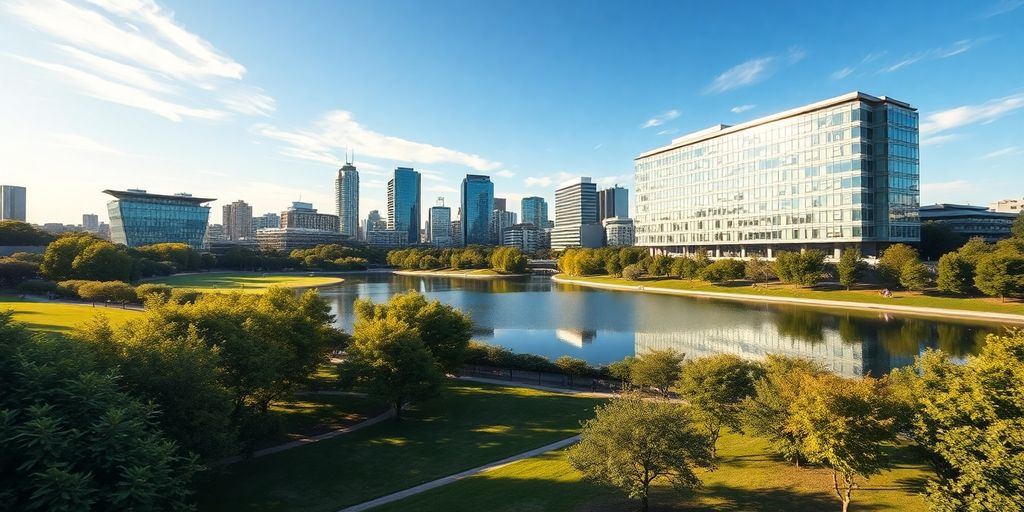
Canberra, Australia, snags the third spot, standing out as one of the few cities outside of Europe and Asia to crack the top 20. What’s cool about Canberra? Well, it scores high for clean air, lots of green spaces, and a real sense of community. It’s not just about the tech; people actually feel like they belong, which is pretty awesome.
Canberra is making big moves in clean energy and renewable stuff. They’re aiming for net-zero emissions by 2045, and you can see it in their push for electric stuff and using renewable energy all over the place. Plus, they’re using tech to make the city more livable, which is attracting startups and other businesses. It’s like a snowball effect of innovation.
Canberra’s got this strong community vibe. People are connected and willing to help each other out, which makes it a great place to live. It’s not just about being smart; it’s about being a good place to call home.
Canberra is using technology to improve city services. Smart lighting, waste management, and traffic systems are all making things more efficient and sustainable. They also have a solid high-speed internet, which helps with connectivity and remote work. Innovation hubs like Canberra Innovation Network are helping to boost tech development and new businesses. All of these contribute to the city’s high accessibility scores.
Here’s a quick look at some of Canberra’s smart city initiatives:
- Smart lighting systems
- Advanced waste management
- Efficient traffic management
- High-speed internet infrastructure
4. Geneva
Geneva consistently ranks high as a smart city, and 2025 is no different. It’s a city where international collaboration meets technological advancement. I think what sets Geneva apart is its dedication to improving the quality of life for its residents through smart solutions. It’s not just about flashy tech; it’s about practical applications that make a real difference.
One thing I noticed is how Geneva balances innovation with sustainability. They’re not just implementing new technologies for the sake of it; they’re considering the environmental impact and striving to create a greener, more sustainable urban environment. It’s a holistic approach that I find really impressive.
Geneva’s commitment to international standards and collaboration makes it a unique player in the smart city landscape. The city actively participates in global initiatives, sharing best practices and working with other cities to address common challenges. This collaborative spirit is a key factor in Geneva’s success as a smart city.
Geneva’s focus on data privacy and security is also worth mentioning. In an age where data breaches are becoming increasingly common, Geneva prioritizes the protection of its citizens’ information. This commitment to ethical data practices builds trust and ensures that smart city initiatives are implemented responsibly. The AI for Good Summit held here is a testament to that.
Here are some of the key areas where Geneva excels:
- Smart Governance: Streamlined public services and citizen engagement platforms.
- Sustainable Mobility: Efficient public transportation and promotion of electric vehicles.
- Advanced Infrastructure: Reliable utilities and high-speed internet connectivity.
5. Singapore

Singapore continues to impress with its smart city initiatives. It jumped two places to rank fifth in the Smart Cities Index 2024. This is thanks to high scores in safety, enabled by CCTV, high connectivity that makes schooling and traffic monitoring easier, and online reporting and document processing that enables dealing with government bureaucracy.
Singapore’s commitment to technology and innovation is evident in its various smart city projects.
Singapore has been working towards becoming a "smart nation" since 2014. They’ve installed thousands of sensors across the island to collect data on pretty much everything. This data goes to a platform called E3A, which stands for "Everyone, Everything, Everywhere, All the Time."
Singapore’s public transportation system is greatly enhanced by the strategic use of open data and contactless payment technologies. Together this streamlines travel and makes it exceptionally convenient for residents and visitors alike.
Singapore is also a leader in using tech to help elderly citizens. The city-state uses electronic road pricing in certain areas. They also require a Certificate of Entitlement for car ownership, which can cost a lot of money. This helps manage traffic.
Here are some of the reasons why Singapore is considered a smart city:
- Advanced transportation system with contactless payments.
- Extensive use of sensors for data collection.
- Focus on the health and well-being of its citizens.
6. Copenhagen
Copenhagen consistently ranks high in smart city indices, and 2025 is no different. The city’s commitment to sustainability and quality of life makes it a standout. I remember reading somewhere that Copenhagen aims to be carbon neutral by 2025, which is a pretty ambitious goal. They’re really pushing for green solutions and using technology to make city life better for everyone.
Copenhagen earned high marks for transportation, digitization and its high standard of living.
Here are some of the things Copenhagen is focusing on:
- Smart transportation solutions to reduce congestion and pollution.
- Data-driven urban planning to improve resource management.
- Citizen engagement platforms to involve residents in decision-making.
Copenhagen’s approach involves integrating various technologies to create a more livable and efficient urban environment. This includes everything from smart grids and energy-efficient buildings to advanced waste management systems. The city is also working on innovative ways to use data to improve public services and address urban challenges.
Copenhagen also won the World Smart Cities Award back in 2014, which shows they’ve been at this for a while. It’s not just about flashy tech; it’s about making the city a better place to live. They’re working with Hitachi to create a city data exchange, and there are tons of startups in the area working on smart city stuff. It’s a whole ecosystem of innovation.
7. Lausanne
Lausanne, Switzerland, secures its place as the seventh smartest city in the world. It’s impressive, especially when you consider its smaller size compared to other giants on this list. What’s cool about Lausanne is how it balances urban living with a strong connection to nature.
The city is really focused on making digital stuff sustainable. They’re trying to cut down on the environmental impact of all their tech and are working to make government services available online.
Lausanne is investing a lot in green spaces, with tons of parks and gardens. They’re even planting over a thousand new trees every year. It’s a city where you can easily get around on foot, and everything feels close by. You can quickly walk to Lake Geneva or the city center. Plus, they’re pushing forward with digital services, like a mobile app for residents and visitors, making life easier for everyone. It’s a great example of how a smaller city can be super smart and livable. Here are some of the reasons why Lausanne is considered a smart city:
- Commitment to sustainability.
- Extensive green spaces.
- Digital services for residents and visitors.
8. London
London, a global hub, continues its smart city evolution. It’s a fascinating place, always buzzing with activity. While it might have slipped a couple of spots in the rankings, it still shines when it comes to online services. Booking transportation is easy, and finding easy-to-access Wi-Fi is a breeze.
London is really pushing for sustainability. You see it everywhere, from the electric vehicle infrastructure to the commitment to green spaces. They’re serious about becoming a ‘clean city’.
London’s commitment to smart city initiatives is evident in its focus on transportation and sustainability. The city is modernizing its transportation system with significant investment dedicated to road improvements and updating its bus network. They’re aiming for 80% of journeys to be completed by walking, cycling, or public transport by 2041. That’s a big goal!
Here’s a quick look at some of London’s smart city initiatives:
- Modernizing transportation with investments in road improvements.
- Updating the bus network.
- Expanding electric vehicle infrastructure.
- Promoting green spaces and active travel (walking and cycling).
London is also working on smart grids and renewable energy. It’s all part of the plan to make London a better place to live and work. The city is also using open data to inform city planning. It’s pretty cool how they’re using technology to tackle challenges like traffic congestion. They are really trying to improve London’s transportation.
9. Helsinki
Helsinki is making a strong push to be a leader in smart city tech. It’s not just about flashy gadgets; they’re really trying to improve the lives of their residents. I think that’s a smart move. It’s about making the city more efficient and sustainable, which is something everyone can get behind.
Helsinki is focusing on open data and citizen engagement to drive its smart city initiatives. They believe that by making data accessible and involving citizens in the decision-making process, they can create solutions that truly meet the needs of the community. It’s a collaborative approach that seems to be working well for them.
Here are some of the key areas where Helsinki is focusing its efforts:
- Smart mobility solutions, including improved public transportation and electric vehicle infrastructure.
- Energy efficiency and renewable energy sources to reduce the city’s carbon footprint.
- Digital services that make it easier for residents to access government services and information.
Helsinki’s commitment to sustainability is impressive. They’re not just talking about it; they’re actively implementing policies and projects to reduce their environmental impact. This includes investing in renewable energy, promoting sustainable transportation, and improving waste management.
I think Helsinki is a city to watch in the coming years. They’re taking a thoughtful and strategic approach to smart city development, and I’m excited to see what they accomplish. The Smart City Challenge is a great opportunity for them to showcase their innovative solutions and collaborate with other cities around the world.
10. Abu Dhabi
Abu Dhabi rounds out our list, securing its place as a top smart city. It’s been steadily climbing the ranks, and for good reason. The city shines when it comes to transportation and embracing new tech.
One resident noted that Abu Dhabi is where technology and sustainability meet, making life easier. The city’s commitment to integrating advanced systems across land, sea, air, and rail transportation is a game-changer. This not only eases traffic but also helps the environment. The city also scored well in sanitation and how well digital skills are taught in schools.
Abu Dhabi’s focus on sustainability is evident in projects like Masdar City, which blends traditional design with modern technology. The city’s commitment to reducing energy and water consumption sets a high standard for urban development. It’s a place where different cultures come together, making it a welcoming place for everyone.
Abu Dhabi is also pushing forward with sustainable urban development. Masdar City, for example, combines traditional Arab architecture with modern tech to create a naturally cool environment, even during the hot summer months. The extensive use of solar panels makes it one of the largest photovoltaic installations in the Middle East. Most buildings in Masdar City are LEED Gold or Platinum ranked, and designed to reduce energy and water consumption by at least 40%.
Abu Dhabi’s Ultra Low Emission Zone (ULEZ) policy also encourages the use of electric vehicles by making it less expensive to drive EVs than gas-emitting cars. The city’s integration of vehicle charging infrastructures and autonomous driving solutions has made commuting smooth and efficient.
Conclusion
So, we’ve gone through some of the world’s leading smart cities. It’s pretty clear these places aren’t just about cool gadgets. They’re really focused on making city life better for everyone. Things like good public transportation, clean energy, and making sure people feel safe and connected are a big deal. It’s not just about what’s new and shiny. It’s about building communities that work well and can handle whatever comes next. These cities show us what’s possible when people work together to make urban areas smarter and more livable. It’s a journey, and there’s always more to learn and do.
Frequently Asked Questions
What makes a city “smart”?
A smart city uses cool new technology and smart ideas to make city life better for everyone. This means things like better transportation, cleaner air, and safer neighborhoods.
How do smart cities benefit regular people?
Smart cities help people by making daily life easier and more fun. They can improve public services, make cities more eco-friendly, and even create new job opportunities.
Is a smart city just about technology?
Technology is a big part of smart cities, but it’s not everything. A truly smart city also focuses on its people, good leaders, and trying out new things to see what works best.
Which cities are considered the smartest?
The smartest cities often lead the way in using new tech to solve city problems. They’re usually places that are good at trying new things and making sure their citizens are happy and healthy.
How long have smart cities been around?
The idea of smart cities has been around for a while, with some cities starting their smart projects over a decade ago. It’s a journey that’s always changing and getting better.
Why are smart cities important?
Smart cities are important because they show us how cities can grow and get better while also taking care of the planet and making sure everyone has a good quality of life. They’re like a blueprint for the future.


