
Cities
Discover the Top 10 Best Cities to Live In the World for 2025
27 Jul 2025

So, you’re wondering where the best spots to live are for 2025? It’s a big question, and thankfully, there’s a report that tries to answer it. They looked at a bunch of cities all over the world, checking things like how stable they are, the healthcare, the environment, schools, and how good the buildings and transport are. It’s all about figuring out which cities are just plain nice places to be. We’ve got the rundown on the top 10 best cities to live in the world, so let’s get to it.
Key Takeaways
- Copenhagen, Denmark takes the top spot for 2025.
- Vienna, Austria, and Zurich, Switzerland, tied for second place.
- Western European cities continue to do well in the rankings.
- Australia has multiple cities in the top 10, with Melbourne at number four.
- The index looks at stability, healthcare, culture, education, and infrastructure to rank cities.
1. Copenhagen, Denmark
Well, it looks like Copenhagen has officially snagged the top spot! After a few years of Vienna holding the crown, the Danish capital has been named the most liveable city in the world for 2025. It’s pretty impressive, actually, because Copenhagen managed to get perfect scores across the board in the latest liveability index. That’s not something you see every day.
Why Copenhagen is Number One
So, what makes this city so great? It really comes down to a few key things that make daily life smoother and more enjoyable for everyone living there. Think about it: when a city is stable, has good infrastructure, and a nice environment, it just makes people happier. It’s like the city itself is designed to make your life easier.
Key Factors Contributing to Copenhagen’s Liveability
- Stability: The city is known for its low crime rates and strong political stability, which really contributes to a sense of security for residents.
- Infrastructure: Public transport is super reliable – trains actually arrive when they’re supposed to. Plus, the city is incredibly bike-friendly, with dedicated lanes everywhere.
- Healthcare and Education: High-quality healthcare and education systems are readily available, which is a big plus for families and individuals alike.
- Environment: Copenhagen boasts clean air, plenty of green spaces, and even a clean harbor where people can swim. It’s a city that really values its natural surroundings.
It’s the little things, you know? Like being able to meet up with friends spontaneously without a lot of fuss, or knowing that the public transport will actually get you where you need to go on time. That kind of everyday predictability really adds up.
Here’s a quick look at how Copenhagen stacks up:
| Factor | Score |
|---|---|
| Stability | 100 |
| Healthcare | 100 |
| Culture & Env | 100 |
| Education | 100 |
| Infrastructure | 100 |
Copenhagen’s success isn’t just about perfect scores, though. It’s about a lifestyle that balances work and life, a strong sense of community, and a general feeling of well-being. It’s a city that feels both modern and deeply rooted in its culture, making it a truly special place to call home. The city’s commitment to sustainability and quality of life really shines through, making it a top contender for anyone looking for a great place to live. It’s no wonder it’s considered the happiest city in the world.
2. Vienna, Austria
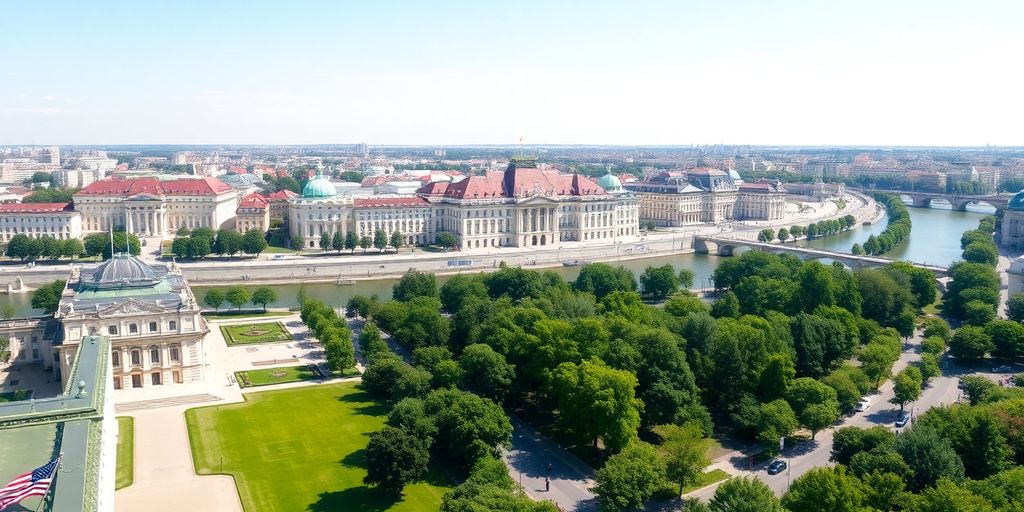
Vienna, Austria has been ranked as the second-best city globally in the 2025 Global Liveability Index, highlighting its quality of life and desirability as a place to live. After holding the top spot for three years, Vienna now shares the second position. While it saw a slight dip in the stability category, the city continues to impress with perfect scores in healthcare, education, and infrastructure. These areas are consistently praised by residents, contributing to the city’s overall appeal.
What Makes Vienna Stand Out?
Vienna offers a balanced lifestyle that many find appealing. It’s a city that provides a wide range of experiences, from new restaurants and cultural performances to art exhibitions, all without feeling overwhelming.
- Healthcare: Perfect scores indicate a top-tier system accessible to all.
- Education: Consistently high standards in educational institutions.
- Infrastructure: Well-developed public transport and city services.
- Housing: A strong commitment to social housing, known as Gemeindebauten, ensures affordability and prevents economic segregation. Many residents live in subsidized housing, contributing to a stable community.
Experiencing Vienna Like a Local
To truly get a feel for Vienna, consider exploring the heurigen, which are local vineyards found within the city limits. The walking paths connecting these vineyards offer beautiful views of the city.
The Austrian capital’s architecture and social housing stock are the envy of the world. Many of Vienna’s social housing projects are celebrated for their design and integration into the urban fabric, making them more than just places to live but also points of interest.
Vienna’s commitment to social housing, with around 6,000 flats built annually, is a significant factor in its high liveability. This tradition, along with the distribution of these flats across all districts, helps maintain social cohesion. The city’s approach to Vienna, Austria provides a model for urban planning and resident well-being.
3. Zurich, Switzerland
Mobility Excellence
Zurich is a city that really gets how to move people around. It’s not just about having a lot of buses and trams, though they have plenty of those, running about 304 million times a year. What’s really neat is the whole system, often called the Zurich Model. It’s all about making public transport so good that people choose it over their own cars.
Think sleek, pale blue and white trams gliding through nice streets and along the lake. They even run 24 hours on weekends, which is pretty handy. It feels efficient, and people seem to notice. One bus driver mentioned that passengers often greet them, which is a nice touch.
- The Zürich Model: This approach focuses on making public transport highly convenient and appealing.
- 24-Hour Weekend Service: Buses operate around the clock on Saturdays and Sundays.
- High Passenger Numbers: The city’s transport network sees millions of passengers annually.
The city’s commitment to public transport is a big part of why it ranks so high. It shows that good planning can really make a difference in daily life.
A Look at Zurich’s Transport Statistics
Here’s a quick look at some numbers related to Zurich’s public transport:
| Metric | Data |
|---|---|
| Annual Passengers (Buses & Trams) | ~304 million |
| Year-over-Year Passenger Increase | 2.1% |
| Weekend Service Hours | 24 hours |
| Public Transport Model Name | Zürich Model |
It’s clear that Zurich’s public transport is a major draw for residents and visitors alike, contributing significantly to its high quality of life.
4. Melbourne, Australia
Melbourne has once again secured a top spot in global liveability rankings for 2025, placing fourth overall. This Australian city consistently scores high marks, particularly in healthcare and education, where it achieved perfect scores. What really sets Melbourne apart, however, are its strong showings in culture and environment, which helped it edge out other major Australian cities like Sydney and Adelaide.
The city’s excellent public transportation system is a major plus for residents. It connects the inner and outer suburbs efficiently, making commutes manageable, often under 50 minutes, without isolating communities. This connectivity contributes significantly to the overall quality of life.
Melbourne also boasts a vibrant cultural scene and ample green spaces, from its famous laneway cafes to its many parks. These elements combine with its strong educational institutions to create a well-rounded living experience.
Key Liveability Factors:
- Healthcare: Perfect scores indicate a robust and accessible healthcare system.
- Education: Top marks reflect a high standard of educational institutions and opportunities.
- Culture & Environment: Strong performance in these areas highlights the city’s appeal through its arts, entertainment, and natural surroundings.
- Stability: While generally high, there has been a noted slight decline in this category for Melbourne.
Melbourne’s blend of urban amenities and accessible natural beauty makes it a standout choice for those seeking a high quality of life. The city’s commitment to public services and cultural enrichment is evident.
Melbourne is recognized as one of the top 10 most liveable cities globally for 2025, a testament to its enduring appeal. Melbourne liveability continues to impress.
5. Geneva, Switzerland
Geneva, Switzerland, has secured the fifth spot on our list for 2025, a testament to its enduring appeal as a global hub. This city consistently scores well in areas like stability, healthcare, and education, making it a solid choice for residents. While it shares the global stage with other Swiss cities like Zurich, Geneva offers a distinct atmosphere. Many find it to be more compact and relaxed, yet it still provides all the advantages of a major international center.
A Compact City with Big-City Benefits
One resident, who moved from Florida, described Geneva as "a well-run city in a well-run country." He noted that Geneva offers many of the benefits associated with larger cities – like access to music, arts, and business opportunities – but within a cozier environment. This means you can enjoy urban advantages without the typical downsides that often come with them. The city’s blend of manageable size and robust amenities is a key factor in its high liveability ranking.
Diversity and Natural Beauty
Geneva stands out as one of Switzerland’s most diverse cities, with over 40% of its population born outside the country. This diversity brings a wide array of cuisines and interesting people, enriching the daily lives of its inhabitants. Beyond its social fabric, Geneva is blessed with stunning natural beauty. The iconic Lake Geneva, shaped like a crescent, and the surrounding mountains provide a picturesque backdrop that significantly adds to the city’s charm. This natural setting is a major draw for those seeking a high quality of life.
Key Aspects of Geneva’s Liveability:
- Strong Stability: Geneva benefits from Switzerland’s overall political and economic stability.
- Excellent Healthcare: Access to high-quality medical services is a given.
- Educational Opportunities: The city boasts reputable educational institutions.
- Cultural Richness: A vibrant arts and music scene complements its international flair.
- Diverse Population: A multicultural environment contributes to a dynamic social scene.
Geneva manages to balance its role as a global diplomatic and financial center with a more relaxed, community-focused feel. It’s a place where you can find world-class amenities without feeling overwhelmed by the pace of city life. The city’s commitment to maintaining green spaces and public services further adds to its appeal for long-term residents.
6. Sydney, Australia
Sydney, Australia, lands at number six on our list for 2025. It’s a city that really knows how to balance its natural beauty with a vibrant urban lifestyle. You’ve got those iconic beaches like Bondi and Manly, perfect for a weekend surf or just a relaxing day out. But it’s not just about the coast; the city also boasts a fantastic harbor, with ferries offering some of the best views you can get.
When it comes to daily life, Sydney offers a lot. The public transport system is pretty decent, making it easier to get around, though like any big city, it can get busy. The job market is strong, especially in sectors like finance, tech, and tourism.
Here’s a quick look at some costs:
| Category | Estimated Monthly Cost (AUD) |
|---|---|
| Groceries | $300 – $450 |
| Transportation | $150 – $250 |
| Utilities | $200 – $300 |
| Entertainment | $200 – $400 |
Sydney’s reputation for outdoor living is well-deserved. There are countless parks, walking trails, and opportunities to enjoy the sunshine, which really contributes to a high quality of life for its residents.
What makes Sydney stand out?
- World-class dining scene: From casual cafes to high-end restaurants, Sydney has something for every palate.
- Cultural attractions: Museums, galleries, and theaters provide plenty of options for art and culture lovers.
- Outdoor activities: Beyond the beaches, there are national parks and coastal walks to explore.
While the cost of living can be a bit high, especially rent, the overall lifestyle and opportunities in Sydney make it a top contender for many. The estimated monthly costs for a single person in Sydney, excluding rent, are approximately $1,163 (A$1,771). It’s a city that offers a dynamic mix of work and play.
7. Osaka, Japan
Osaka is the only Asian city to break into the top 10, landing in seventh place. It scored perfectly in categories like stability, healthcare, and education. While Tokyo often gets more attention, Osaka has a more relaxed vibe that residents really appreciate. It’s a city that feels both well-developed and genuinely cool.
One resident described Osaka as being to Japan what San Francisco is to the United States – a smaller city, but with its own distinct character. This unique flavor is part of what makes living here so appealing. Whether you’re grabbing a quick bowl of ramen or enjoying a more formal kaiseki meal, great food is always close by. The city has a friendly and down-to-earth atmosphere, similar to Manchester in England, according to one local mixologist. People here are proud of their culture and happy to share it, which adds a warmth and humor to daily life that goes beyond just convenience.
What Makes Osaka Stand Out
- Friendly Atmosphere: Locals are known for being approachable and engaging, making the city feel welcoming.
- Culinary Delights: From casual ramen shops to high-end dining, Osaka offers a diverse and accessible food scene.
- Cultural Richness: The city provides authentic experiences that allow residents to connect with Japanese traditions.
The true spirit of Osaka can be found in its everyday moments. Think about enjoying a coffee at a local spot or picking up fresh bread from a neighborhood bakery to eat in a park. These simple pleasures are a big part of what makes Osaka feel like home.
Experiencing Local Life
For a real taste of Osaka, explore areas like Kyobashi. This train station hub is surrounded by small bars where locals gather. It’s a great place to strike up a conversation and get a feel for the city’s genuine character. You can easily find a spot to enjoy a drink and connect with the people who make Osaka special. Don’t miss out on exploring Osaka Castle for a historical perspective, or simply enjoying the everyday life in places like Streamer Coffee Company or Utsubo Park.
8. Auckland, New Zealand
Auckland, New Zealand, has secured a spot on our list, tying for seventh place with an Asian city. This vibrant metropolis, often called the "City of Sails," offers a unique blend of urban sophistication and natural beauty. Its stunning harbor, volcanic cones, and proximity to beautiful islands make it a paradise for outdoor enthusiasts. The city boasts a diverse economy, a high standard of living, and a friendly atmosphere that draws people from all over the world. Auckland consistently ranks well for its stability, healthcare, and education systems.
Key Livability Factors:
- Healthcare: Access to quality medical services is a significant draw for residents.
- Education: The city offers a range of excellent educational institutions, from primary schools to universities.
- Infrastructure: Auckland benefits from well-developed public transport and essential services.
- Culture and Environment: A rich cultural scene and abundant green spaces contribute to a high quality of life.
Auckland’s Strengths:
- Natural Beauty: The surrounding Hauraki Gulf and numerous parks provide ample recreational opportunities.
- Economic Opportunities: A strong job market, particularly in sectors like technology and finance.
- Safety: New Zealand has been recognized as one of the world’s most peaceful and prosperous nations in the 2025 rankings.
Auckland’s appeal lies not just in its picturesque setting but also in its commitment to providing a safe and supportive environment for its residents. The city’s focus on community and well-being is evident in its public spaces and social programs.
9. Adelaide, Australia
South Australia’s capital, Adelaide, has landed the ninth spot on our list. It’s often described by locals as having a "big country" feel, which really means it offers city conveniences without the overwhelming hustle you find in larger metropolises. This balance contributes a lot to its high quality of life.
Adelaide really shines when it comes to its cultural offerings and green spaces. The city boasts a vibrant arts scene, with numerous galleries and festivals throughout the year. Plus, it’s surrounded by beautiful parklands and is just a short drive from wine regions like the Barossa Valley.
Key Livability Factors for Adelaide:
- Healthcare: Adelaide consistently scores well in healthcare, providing accessible and quality medical services to its residents.
- Education: The city offers excellent educational institutions, from primary schools to universities, making it a great place for families and students.
- Infrastructure: Adelaide’s public transport system is reliable, and the city’s layout makes it easy to get around, whether by car or public transit.
- Culture and Environment: With its numerous parks, festivals, and proximity to natural attractions, Adelaide provides a pleasant and engaging environment.
The city’s relaxed pace, combined with its strong community feel and access to nature, makes it a truly appealing place to call home. It’s a city that seems to get the balance just right.
Adelaide’s commitment to maintaining its green spaces and developing its cultural landscape is evident. It’s a city that feels both established and forward-thinking, offering a comfortable lifestyle that many are seeking. For those looking for a place that combines urban amenities with a more laid-back atmosphere, Adelaide, South Australia is definitely worth considering.
10. Vancouver, Canada
Vancouver, Canada, has secured a spot in the top 10 most livable cities for 2025. While it scores well across many categories, recent assessments noted some pressures on its healthcare system, which slightly impacted its overall ranking. Still, the city offers a high quality of life, blending urban amenities with stunning natural surroundings.
What Makes Vancouver Stand Out?
Vancouver consistently ranks high due to several key factors:
- Environment: The city is renowned for its clean air, abundant green spaces, and proximity to mountains and the ocean, offering residents ample opportunities for outdoor activities.
- Culture and Education: Vancouver boasts a diverse cultural scene and a strong educational infrastructure, with reputable universities and colleges.
- Infrastructure: The city has well-developed public transportation and healthcare facilities, contributing to its overall livability.
Key Livability Metrics
| Category | Score (out of 100) | Notes |
|---|---|---|
| Stability | 95.0 | High |
| Healthcare | 85.0 | Good, but facing some recent pressures |
| Culture & Env. | 98.0 | Excellent natural and cultural offerings |
| Education | 90.0 | Strong academic institutions |
| Infrastructure | 97.0 | Well-developed and efficient |
Vancouver’s appeal lies in its unique combination of urban convenience and access to nature. It’s a city that truly offers a balanced lifestyle for its residents.
Canada boasts several highly livable cities, with Vancouver and Calgary leading the 2025 rankings. Vancouver scores high in culture, environment, and education, while Calgary excels in affordability and economy. These cities offer promising futures for those looking to build a life in Canada.
Wrapping Up Our 2025 Liveability Guide
So, there you have it – a look at the cities that are really hitting the mark for 2025. It’s interesting to see how places like Copenhagen are leading the pack, with strong showings across the board. Western Europe and the Asia-Pacific region continue to impress, but it’s also a reminder that liveability can shift. Factors like stability, healthcare, and even the environment play a big role, and sometimes small changes can have a large impact. Whether you’re planning a move or just curious about where the world is heading, this list gives us a good snapshot of what makes a city a great place to call home right now.
Frequently Asked Questions
How were the best cities chosen for 2025?
The 2025 Global Liveability Index looked at 173 cities. It checked things like how safe they are, how good the healthcare is, what the culture and environment are like, how good the schools are, and the quality of roads and buildings. Each city got a score out of 100 to see how nice it is to live there.
Which city is the best to live in for 2025?
Copenhagen, Denmark, is the top city for 2025. It got perfect scores in safety, education, and infrastructure, which helped it take the number one spot.
What happened to Vienna in the rankings?
Vienna, Austria, which was the best city in 2022, is now in second place. Zurich, Switzerland, also tied for second place.
Which part of the world has the most top-ranked cities?
Western Europe has a lot of great cities on the list, with eight cities in the top 20. These cities generally scored very well in most areas.
How did cities in the Asia-Pacific region do?
The Asia-Pacific region also has many good cities, with nine in the top 20. Melbourne, Australia, is the best city in this region, coming in fourth overall.
What city was ranked the least livable?
Damascus, Syria, is unfortunately ranked as the least livable city in the world for 2025. This is based on the factors measured in the report.


