
resources
Exploring the Diverse Cities and Towns of Spain
19 Jul 2025

Spain is a pretty amazing place, full of different vibes depending on where you go. It’s not just one big culture; each region has its own unique flavor. From the sunny coasts to the old, historic towns, there’s just so much to see. This article will take you through some of the cool cities and towns, showing off what makes each one special. It really highlights how diverse Spain is, which is super cool for anyone looking to explore.
Key Takeaways
- Spain’s regions each have their own distinct character, from the flamenco of Andalusia to Catalonia’s unique architecture.
- Central Spain is home to major urban centers like Madrid, but also ancient cities such as Toledo and Cordoba, rich in history.
- Coastal areas offer a mix of modern innovation and traditional charm, with places like Valencia and Malaga providing a sunny experience.
- Northern Spain has its own special cultural landscapes, including the Basque Country with its unique language and the pilgrimage site of Santiago de Compostela.
- Beyond the big cities, smaller towns like Cadiz and Sitges offer their own charm, from ancient ports to artistic coastal spots.
Exploring Spain’s Diverse Regional Identities
Spain isn’t just one thing; it’s a collection of regions, each with its own distinct flavor. From the passionate south to the green north, you’ll find different languages, customs, and even ways of life. It’s this variety that makes exploring Spain so rewarding. Let’s take a look at a few examples:
Andalusia: Flamenco and Historic Landmarks
Andalusia, down in southern Spain, is what many people picture when they think of Spain. It’s the land of flamenco, bullfighting, and sun-drenched beaches. Cities like Seville, Granada, and Córdoba are packed with history, showing off Moorish influence in their architecture. Think of the Alhambra in Granada or the Mezquita in Córdoba – seriously impressive stuff. Plus, the region’s festivals, like Feria de Abril, are a blast.
Catalonia: Modernist Architecture and Distinct Culture
Catalonia, in the northeast, is a whole different world. Barcelona is the capital, and it’s famous for its modernist architecture, especially the works of Gaudí. The Sagrada Família is a must-see, even if you’re not usually into churches. But Catalonia is more than just Barcelona. It has a strong sense of identity, with its own language (Catalan) and a unique culture. There’s even a movement pushing for independence. The Catalan language is a big part of what makes this region special.
Galicia: Celtic Heritage and Coastal Beauty
Up in the northwest corner, you’ll find Galicia. This region has a Celtic heritage, which sets it apart from the rest of Spain. Think green landscapes, rugged coastlines, and a lot of seafood. Santiago de Compostela is a major pilgrimage site, drawing people from all over the world. The Galician language is also unique, sounding more like Portuguese than Spanish. It’s a beautiful area, and definitely worth exploring if you want to see a different side of Spain.
Spain’s regional diversity is a huge part of its charm. Each region has something unique to offer, whether it’s the architecture, the food, or the culture. It’s what makes traveling around the country so interesting – you never know what you’re going to find next.
Central Spain’s Urban and Ancient Centers
Central Spain is where you’ll find a mix of bustling modern life and echoes of ancient civilizations. It’s a region that really shows off Spain’s diverse history and culture. From the busy streets of Madrid to the historic walls of Toledo, there’s a lot to explore.
Madrid: Spain’s Vibrant Capital City
Madrid is the heart of Spain. It’s a city that never sleeps, with something always happening. You can spend your days wandering through world-class museums like the Prado, or just soak in the atmosphere at the bustling Gran Vía. The nightlife is amazing, and the food scene is even better. Don’t forget to try some tapas!
- Visit the Royal Palace.
- Explore Retiro Park.
- Enjoy the nightlife in the La Latina neighborhood.
Madrid is more than just a capital city; it’s a cultural hub where tradition and modernity blend seamlessly. The city’s energy is infectious, and its diverse neighborhoods offer something for everyone.
Toledo: A City Steeped in Ancient History
Toledo is like stepping back in time. This ancient city, perched on a hill, has been home to Christians, Muslims, and Jews, and each culture has left its mark. The Toledo Cathedral is a must-see, and the views from the Alcázar are incredible. It’s a great place to wander around and get lost in history.
- Visit the Toledo Cathedral.
- Explore the Synagogue of El Tránsito.
- Walk along the city walls.
Cordoba: Architectural Wonders and Patios
Cordoba is famous for its Mezquita-Cathedral, a stunning example of Moorish architecture. But there’s more to Cordoba than just the Mezquita. The city is also known for its beautiful patios, which are especially lovely during the annual Patio Festival. It’s a city that’s both beautiful and fascinating.
- Visit the Mezquita-Cathedral.
- Explore the Alcázar de los Reyes Cristianos.
- Wander through the Jewish Quarter.
Here’s a quick look at some key historical periods in Cordoba:
| Period | Description |
|---|---|
| Roman Era | Cordoba was an important Roman city. |
| Moorish Rule | Cordoba became the capital of Al-Andalus, a center of culture and learning. |
| Christian Reconquest | Cordoba was reconquered by Christian forces. |
Coastal Gems and Mediterranean Charms
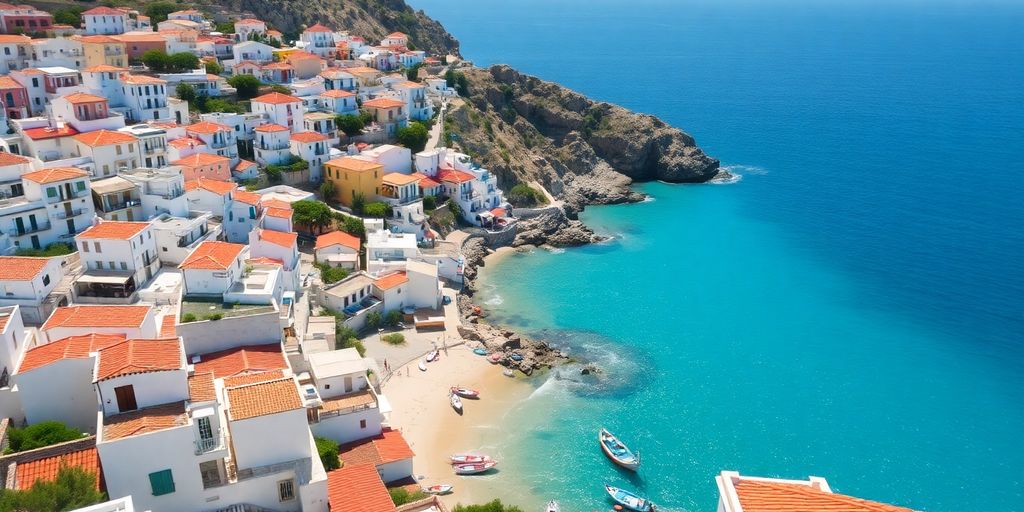
Spain’s Mediterranean coast is a treasure trove of cities where history, innovation, and natural beauty converge. From the sun-drenched beaches to the architectural marvels, these cities offer a unique blend of experiences that capture the essence of the Mediterranean lifestyle. It’s a place where you can wander through ancient streets in the morning and enjoy fresh seafood by the sea in the evening. The blend of cultures and influences makes this region a must-see for any traveler.
Valencia: Innovation Meets Tradition
Valencia is a city that beautifully balances its rich history with modern innovation. The City of Arts and Sciences is a prime example of this, showcasing futuristic architecture alongside historic landmarks like the Valencia Cathedral. You can explore the Silk Exchange, a UNESCO World Heritage site, and then head to the Turia Gardens, a green space created in the former riverbed.
Here are some things you can do in Valencia:
- Visit the Central Market for local produce.
- Explore the historic El Carmen district.
- Relax on the beaches of Malvarrosa.
Valencia is also known for its paella, so make sure to try the authentic version in one of the local restaurants. The city’s vibrant atmosphere and friendly locals make it a welcoming destination for all.
Malaga: Sun-Drenched History and Art
Malaga, the birthplace of Pablo Picasso, is a city that celebrates its history and artistic heritage. The Alcazaba, a Moorish fortress, offers stunning views of the city and the Mediterranean Sea. The Roman Theatre provides a glimpse into Malaga’s ancient past. The city’s vibrant art scene is highlighted by the Picasso Museum, which showcases a collection of his works.
Malaga offers:
- Beautiful beaches along the Costa del Sol.
- A lively culinary scene with fresh seafood.
- A rich cultural heritage with numerous museums and historical sites.
Barcelona: Gaudí’s Masterpieces and Lively Culture
Barcelona is a city that needs no introduction. It’s famous for the architectural masterpieces of Antoni Gaudí, including the Sagrada Familia and Park Güell. The city’s vibrant culture is reflected in its lively streets, bustling markets, and world-class cuisine. You can stroll down Las Ramblas, visit the Gothic Quarter, and enjoy the beachfront of Barceloneta.
| Attraction | Description |
|---|---|
| Sagrada Familia | Gaudí’s unfinished masterpiece |
| Park Güell | A park with unique architectural elements |
| Las Ramblas | A famous street with shops and street performers |
Northern Spain’s Unique Cultural Landscapes
Northern Spain presents a different face of the country, one characterized by lush landscapes, a strong sense of regional identity, and unique cultural traditions. From the rugged coastlines to the rolling green hills, this area offers a distinct experience compared to the sun-drenched beaches of the south. It’s a place where ancient languages are still spoken, and where the cuisine is as hearty as the people.
Basque Country: Distinct Language and Culinary Delights
The Basque Country, straddling the border between Spain and France, is a region unlike any other. Its people, the Basques, have a language (Euskara) that is unrelated to any other known language in Europe, and a culture that is fiercely independent. The region is renowned for its innovative cuisine, particularly its pintxos (Basque tapas), and its stunning coastal scenery. Bilbao, with its iconic Guggenheim Museum, and San Sebastián, famous for its beaches and culinary scene, are two must-visit cities.
Here’s a quick look at some key aspects of Basque culture:
- Language: Euskara (unique and ancient)
- Cuisine: Pintxos, seafood, cider
- Culture: Strong regional identity, traditional music and dance
The Basque Country’s unique identity is a testament to its long and complex history. Its people have maintained their distinct language and traditions despite centuries of outside influence, making it a fascinating place to explore.
Girona: Medieval Walls and Riverside Views
Girona, in Catalonia, is a city that effortlessly blends history and modernity. Its well-preserved medieval walls offer panoramic views of the city and surrounding countryside. The Onyar River, with its colorful houses lining the banks, is a picturesque sight. The city’s Jewish Quarter, one of the best-preserved in Europe, is a testament to its rich past. Don’t miss the Girona Cathedral, with its impressive Gothic nave. You can enjoy active holidays here.
Santiago de Compostela: Pilgrimage and Heritage
Santiago de Compostela, in Galicia, is the destination of the famous Camino de Santiago pilgrimage route. The city’s stunning cathedral, the alleged burial site of St. James the Apostle, is a masterpiece of Romanesque architecture. The city’s historic center, a UNESCO World Heritage site, is a maze of narrow streets and charming squares. The atmosphere is electric, especially during the Holy Year when the cathedral’s Holy Door is opened. The Galician region is known for its Celtic heritage, lush landscapes, and delicious seafood. The city is a melting pot of cultures, with pilgrims from all over the world converging here. The city is a testament to the power of faith and the enduring appeal of pilgrimage.
Here’s a breakdown of pilgrim arrivals in recent years:
| Year | Number of Pilgrims |
|---|---|
| 2022 | 438,323 |
| 2023 | 446,387 |
| 2024 | 350,000 (estimated) |
Historical Riches of Castile and León
Castile and León, the largest region in Spain, is like stepping back in time. It’s a place where history isn’t just in books; it’s built into the very stones of the cities and towns. Think grand cathedrals, imposing castles, and universities that have been teaching for centuries. This region is a treasure trove for anyone interested in Spain’s medieval past. It’s also known for its hearty cuisine, like roast suckling pig, which is a must-try for food lovers.
Salamanca: University City and Golden Stone
Salamanca is famous for its university, one of the oldest in Europe. The city seems to glow, thanks to the golden sandstone used to build many of its structures. Wandering through Salamanca is like walking through history. The Plaza Mayor is a stunning example of Spanish Baroque architecture and a central gathering point.
Things to do in Salamanca:
- Visit the University of Salamanca and try to find the frog on the facade.
- Explore the Plaza Mayor, especially at night when it’s beautifully lit.
- Walk across the Roman Bridge for great views of the city.
Salamanca is a vibrant city, full of students and tourists, but it manages to retain its historical charm. It’s a place where the past and present blend seamlessly.
Burgos: Gothic Cathedral and Medieval Grandeur
Burgos is dominated by its magnificent Gothic cathedral, a UNESCO World Heritage site. The Burgos Cathedral is truly breathtaking. The city itself has a strong medieval feel, with narrow streets and historic buildings. It was once the capital of Castile, and you can feel the weight of history as you explore.
Here’s what makes Burgos special:
- The Cathedral of Burgos: A masterpiece of Gothic architecture.
- The Cartuja de Miraflores: A stunning monastery with intricate carvings.
- The Arco de Santa María: A historic gate that once served as the city’s main entrance.
Segovia: Roman Aqueduct and Fairytale Castle
Segovia is probably best known for its incredibly well-preserved Roman aqueduct. It’s an amazing feat of engineering that still stands tall after all these centuries. The Alcázar of Segovia, a castle that looks like it came straight out of a fairytale, is another major attraction. It’s said to have inspired Walt Disney’s Cinderella castle. The Roman aqueduct is a must see.
| Feature | Description |
|---|---|
| Aqueduct Height | Up to 28 meters |
| Number of Arches | Over 160 |
| Construction | Without mortar or cement |
Southern Spain’s Iconic Cities
Southern Spain is where you’ll find some of the country’s most famous and culturally rich cities. Each one offers a unique glimpse into Spain’s history, art, and traditions. From the passionate flamenco of Seville to the Moorish splendor of Granada, these cities are a must-see for any traveler.
Seville: Flamenco, Alcázar, and Orange Trees
Seville is the heart of Andalusia, and it beats with the rhythm of flamenco. The city is known for its stunning Alcázar palace, a UNESCO World Heritage site, and its fragrant orange trees that line the streets. Seville is a feast for the senses, with its vibrant culture, delicious tapas, and lively atmosphere. You can:
- Visit the Seville Cathedral, one of the largest in the world.
- Explore the Plaza de España, a beautiful square built for the Ibero-American Exposition of 1929.
- Take a flamenco show to experience the passion and artistry of this traditional dance.
Seville is a city that truly captures the spirit of Spain. Its rich history, vibrant culture, and stunning architecture make it an unforgettable destination.
Granada: Alhambra’s Moorish Splendor
Granada is home to the Alhambra, a breathtaking palace and fortress that stands as a testament to Moorish architecture and artistry. The Alhambra is a UNESCO World Heritage site and one of Spain’s most visited attractions. Beyond the Alhambra, Granada offers a charming old town, lively tapas bars, and stunning views of the Sierra Nevada mountains. Don’t miss:
- Exploring the Generalife gardens, the Alhambra’s summer palace.
- Wandering through the Albaicín, Granada’s old Arab quarter.
- Enjoying free tapas with your drinks – a Granada tradition.
Ronda: Dramatic Gorge and Bullfighting History
Ronda is a city perched dramatically on a cliffside, divided by the El Tajo gorge. The Puente Nuevo bridge spans the gorge, offering breathtaking views. Ronda is also known for its bullfighting history, with one of Spain’s oldest bullrings. Here’s what to do:
- Walk across the Puente Nuevo for stunning views.
- Visit the Plaza de Toros, Ronda’s historic bullring.
- Explore the old town with its charming streets and squares.
Beyond the Major Metropolises
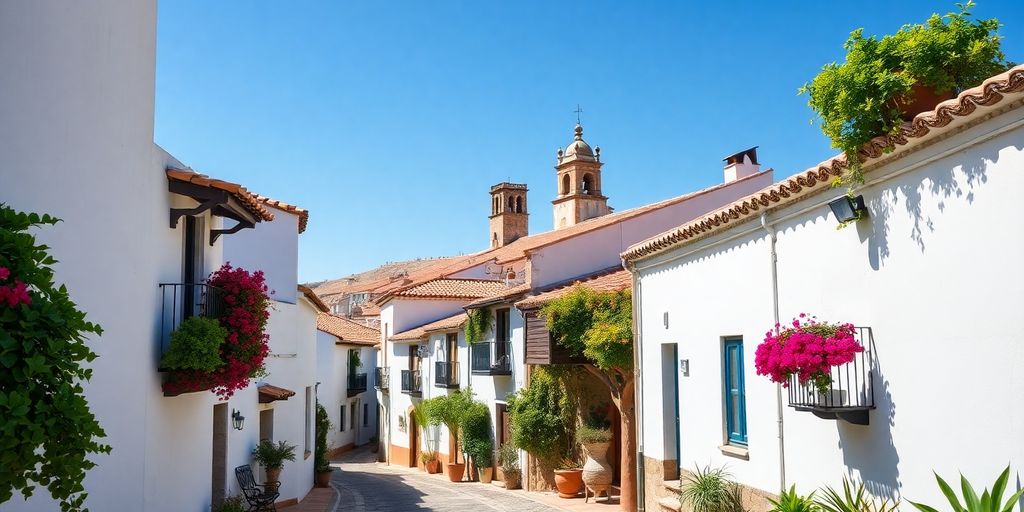
While Madrid, Barcelona, and Seville often steal the spotlight, Spain boasts a wealth of smaller cities and towns, each with its own unique charm and appeal. These destinations provide a glimpse into a more authentic side of Spanish life, away from the hustle and bustle of the major tourist centers. Exploring these hidden gems can be incredibly rewarding, offering a chance to discover local traditions, savor regional cuisine, and experience the true essence of Spain. It’s easy to get caught up in the big cities, but trust me, venturing off the beaten path is where the real magic happens. You’ll find that the pace of life slows down, the people are incredibly welcoming, and the experiences are often more personal and memorable.
Cadiz: Ancient Port City and Carnival Spirit
Cadiz, one of the oldest continuously inhabited cities in Western Europe, offers a fascinating blend of history and vibrant culture. Its strategic location as a port city has shaped its identity for centuries. The city’s historic center, surrounded by the sea, is a maze of narrow streets, plazas, and impressive monuments. But Cadiz is perhaps best known for its Carnival, a raucous celebration filled with music, costumes, and satirical performances. It’s a completely different vibe than you’ll find in other parts of Spain, and it’s definitely worth experiencing if you get the chance. The ancient port city is a must-see.
Sitges: Coastal Beauty and Artistic Flair
Sitges, a charming coastal town near Barcelona, is renowned for its beautiful beaches, vibrant nightlife, and thriving arts scene. The town has long been a haven for artists and writers, drawn to its picturesque setting and bohemian atmosphere. Sitges hosts numerous festivals throughout the year, including a world-renowned film festival and a lively Carnival celebration. The beaches are great, the food is good, and the overall vibe is just super chill. It’s a great place to unwind and soak up the Mediterranean sun.
Palma de Mallorca: Island Capital and Gothic Cathedral
Palma de Mallorca, the capital of the Balearic Islands, is a captivating city that seamlessly blends history, culture, and natural beauty. The city’s most iconic landmark is the magnificent Gothic cathedral, La Seu, which dominates the skyline. Palma offers a diverse range of attractions, from its historic old town with its narrow streets and charming courtyards to its modern marina and bustling shopping districts. Plus, you’re on an island, so there are beaches galore! It’s a great base for exploring the rest of Mallorca, too.
Exploring beyond the major metropolises in Spain offers a unique perspective on the country’s diverse culture and history. These smaller cities and towns provide a more intimate and authentic experience, allowing visitors to connect with local traditions and discover hidden gems that are often overlooked by mainstream tourism.
Wrapping Up Our Spanish Journey
So, we’ve taken a pretty good look at Spain’s many cities and towns. It’s clear there’s a lot to see, from the busy streets of Madrid and Barcelona to the quiet charm of smaller spots. Each place has its own vibe, its own history, and its own way of doing things. You’ve got the ancient buildings, the cool modern art, and all sorts of food to try. It really shows how much variety one country can hold. Whether you’re into old stories or just want to relax by the sea, Spain has a place for you. It’s a country that keeps giving, and there’s always something new to find, no matter how many times you visit.
Frequently Asked Questions
What is the Prettiest City in Spain?
It’s super hard to pick just one ‘prettiest’ city in Spain because beauty is everywhere! You’ll find stunning coastal views in places like San Sebastian, amazing buildings in Cordoba, and even snowy mountains near Granada. Every city has its own special charm.
What are the Five Largest Cities in Spain?
The five biggest cities in Spain are Madrid, Barcelona, Valencia, Seville, and Zaragoza. Madrid is by far the largest, with more than 3 million people living there.
Where is the Most Popular City in Spain?
Barcelona and Madrid are the most popular cities for visitors. Millions of tourists from all over the world come to these two cities every year.
When is the best time to visit Spain?
The best time to visit Spain really depends on what you want to do. Spring (April to June) and Fall (September to October) are usually great because the weather is nice, and it’s not too crowded. Summer can be very hot, especially inland, but it’s perfect for beach trips. Winter is milder, especially in the south, and good for city breaks without the crowds.
How easy is it to travel between cities in Spain?
Getting around Spain is quite easy! Major cities are well-connected by high-speed trains, which are fast and comfortable. Buses are also a good option for smaller towns or if you’re on a budget. Within cities, you can often walk, use the subway, or take local buses.
What is Spain most famous for?
Spain is known for many things! Think delicious food like paella and tapas, lively flamenco dancing, beautiful old buildings like the Alhambra, famous artists like Picasso and Gaudi, and sunny beaches. Each region has its own unique traditions and flavors.


